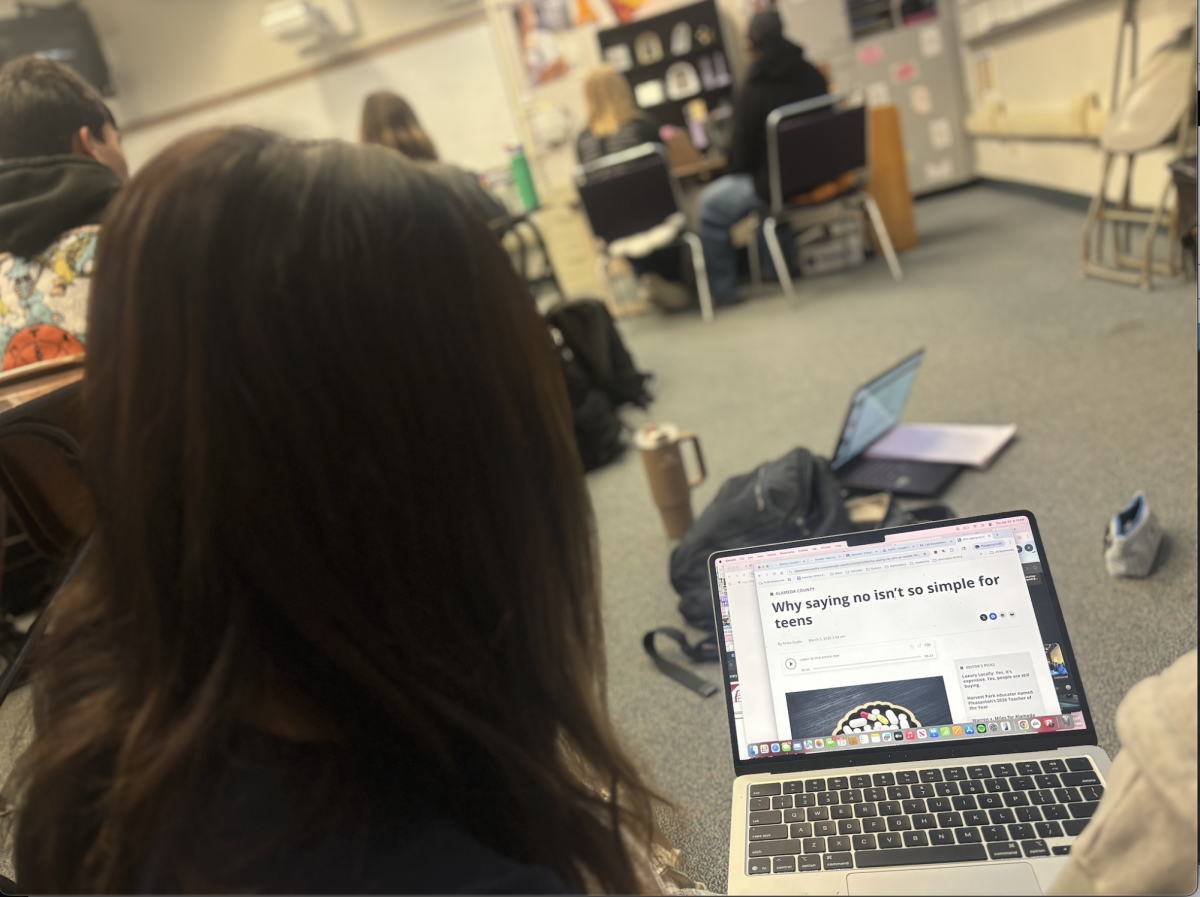
PassAs opioids kill hundreds of teens every year, a group of students from around Alameda County is coming together to spread awareness about the opioid crisis. The Junior Journalists program was created by the non-profit Tha Town in collaboration with the Embarcadero Media Foundation’s East Bay Division. The four-month program aims to equip high school students with journalism skills while also combatting the ongoing opioid epidemic in America.
“I think it’s an interesting program that empowers teens to have their voices heard in the community,” said Saarthak Yadav (‘26) said.
Learning through Advocacy
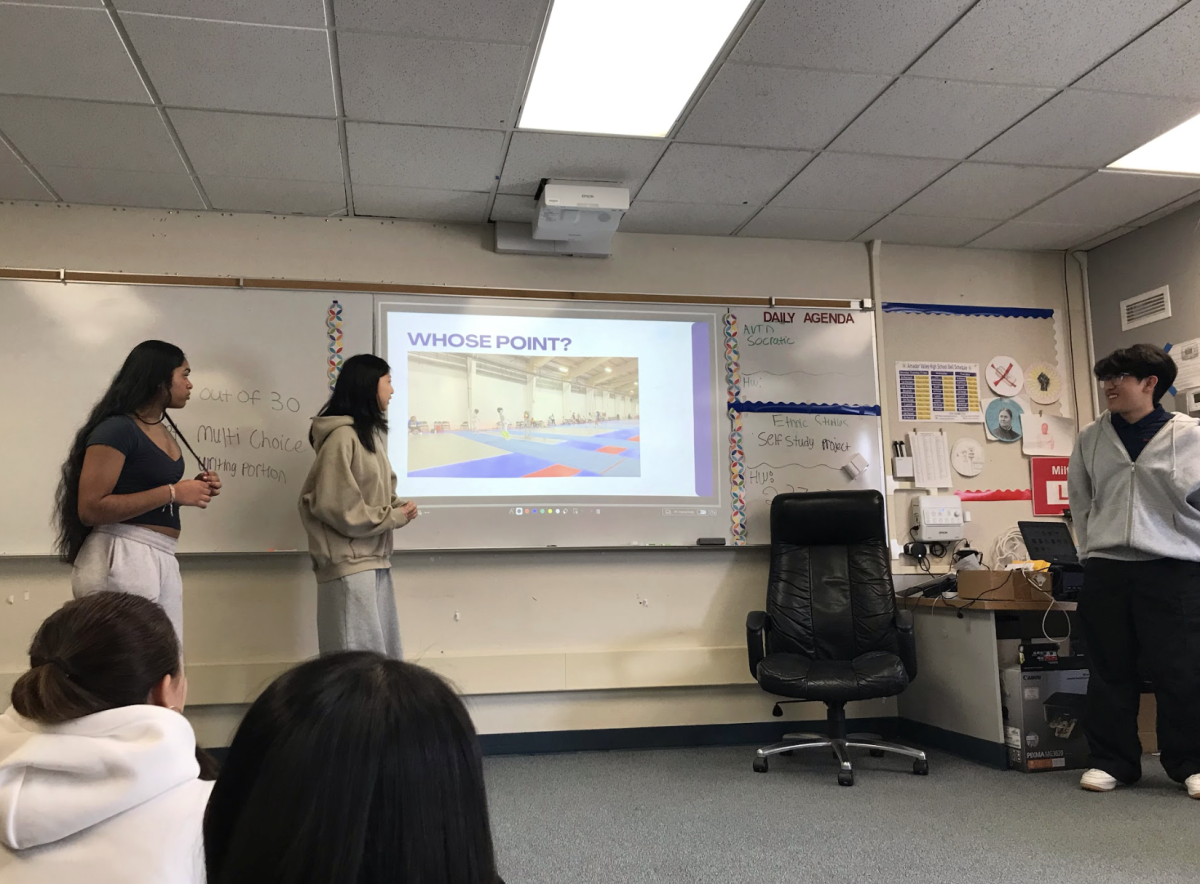
As part of the program, students have weekly meetings to brainstorm ideas for articles, write, and finalize stories about the opioid crisis with the help of advisors. Mimicking a real newsroom, it allows students to see what a career in publications is like. The stories are then published at local news websites, such as the Pleasanton Weekly.
“We have onboarding meetings where we hash out our different ideas. There, we discuss with out advisors what stories to publish. It can be challenging, but I learn a lot,” Alyssa Vu (‘26) said.
Some participants of the program had previous experience researching the opioid crisis, making their work even more meaningful. After reading the book The Empire of Pain, a participant of the Junior Journalists program, Alyssa Vu, was inspired to write an article that delved into the Sackler family and their connection to the opioid crisis.
“I thought it was a great way to take the research that I had previously done and apply it to a local level,” said Vu said.
The program has received funding from Alameda County Health Services to continue their advocacy work regarding the opioid crisis. As evident with the hundreds of opioid-related deaths, now more than ever, awareness on these issues is necessary. Still, the Junior Journalist Program is not only spreading awareness about one of the most deadly drugs, but also inspiring high school students along the way.
“It really drove my passion for reporting on local community issues and things that actually impact the world in different ways,” Vu said.
Building Passions
Currently, the program can only afford to continue for a few months. Still, students passionate about the program have banded together to create a board, advocating for its persistence—even if that means switching gears to another topic. Students within the program note how writing about a crisis showed them a new tool: using journalism as a means of advocacy, as opposed to their typical features about small-town events. The program has also inspired students to aim for professional journalism careers in the future.
“The current topic is the opioid crisis and just raising awareness on that I feel is so important that I really want to get funding for this internship so you can continue on so you can keep raising awareness for this crisis,” Yadav said.
The impact of the program, on both writers and readers, is undoubtable. By bringing awareness to an issue seldom discussed, it brings attention for change. At the same time, it also allows for writers to learn the power of advocacy. While the program impacts these groups in different ways (encouraging writers to pursue careers in journalism while bringing awareness to opioid addictions,) the most important aspect is it bringing peers together.
“I think it’s really important to have peers advocate for these issues because it’s definitely a lot easier to be receptive when it’s someone your age, who’s been in your shoes, reporting on such a subject instead of professionals in the industry or adults,” Riya Upadhyaya (’27) said.