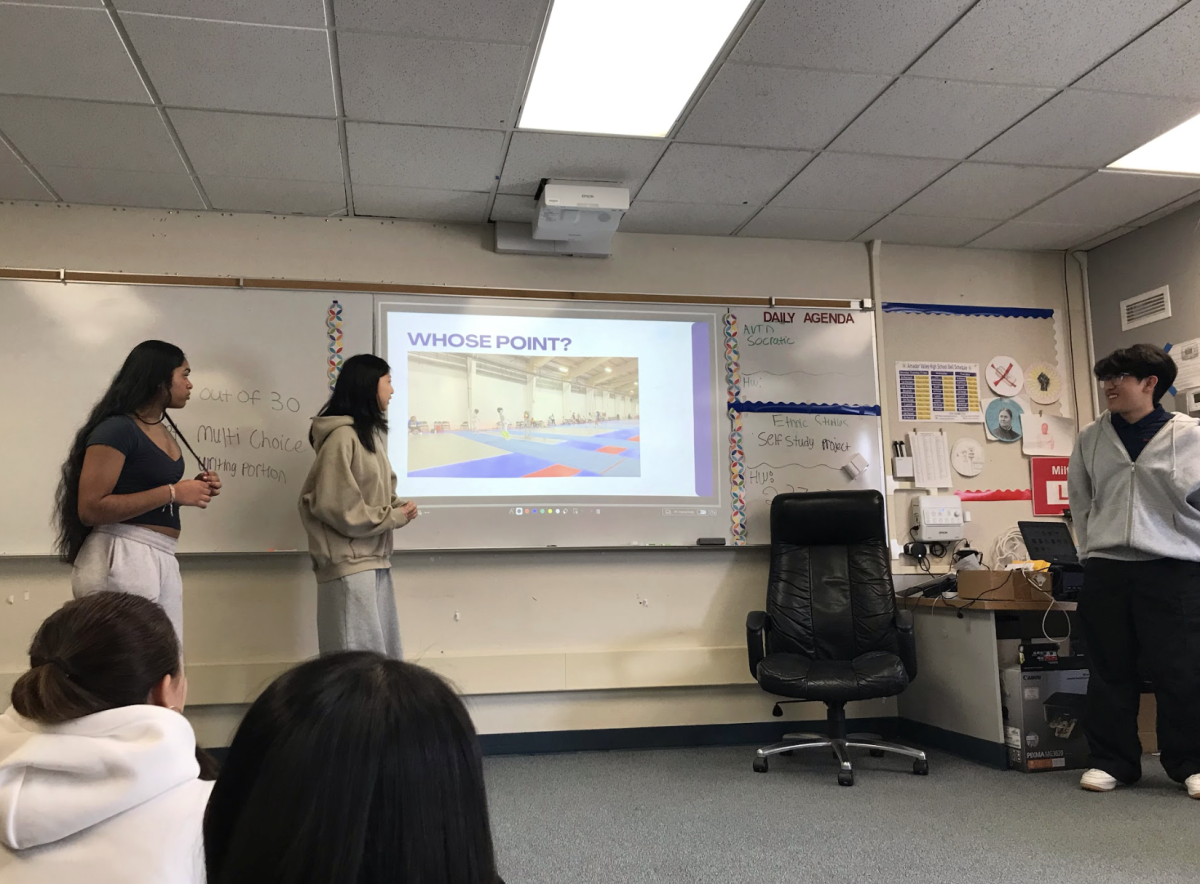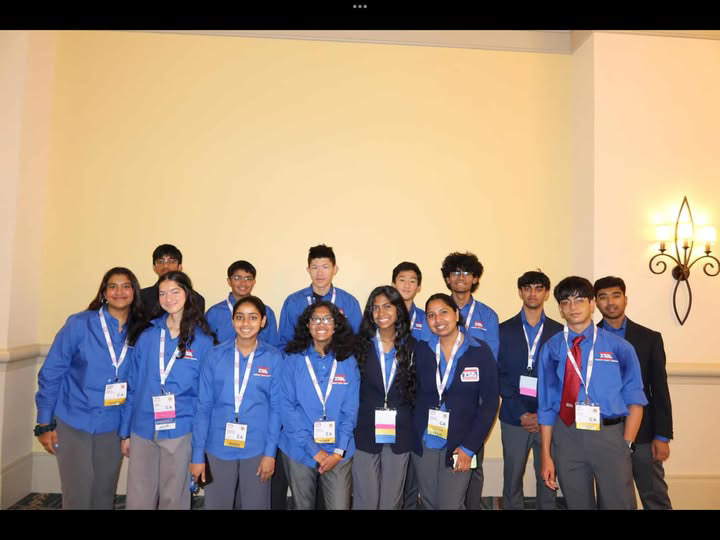
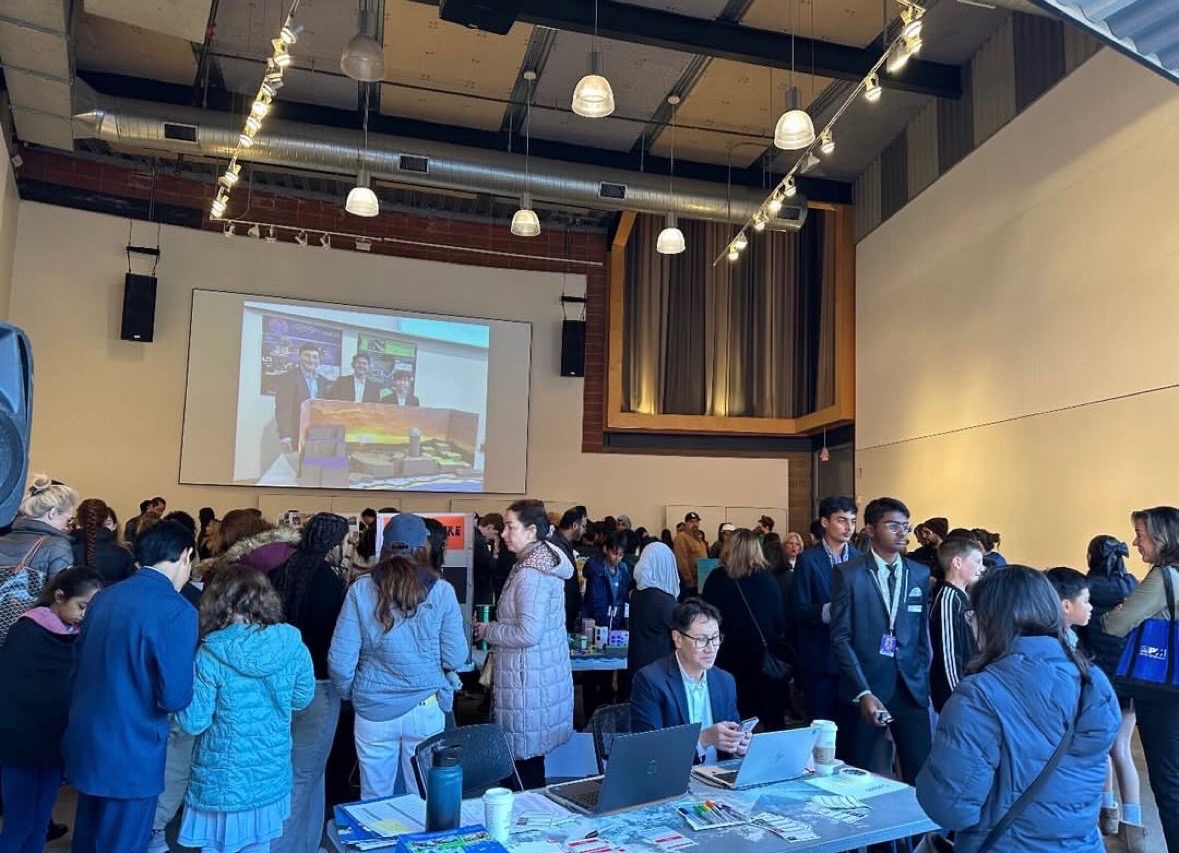
Imagine designing a futuristic city that eliminates food waste and keeps your citizens healthy and safe. That’s exactly what a group of students at Amador achieved, through their competition project, Green Shore. DiscoverE, a nonprofit dedicated to providing students with engineering experience, recently hosted the Future City competition, in which Green Shore advanced to the finals. To compete, students designed an online model and wrote an essay. To compete in finals, teams traveled to DC and gave their presentations to a panel of judges.
“I thought it was fascinating because I’m interested in civil engineering and that’s related to what the competition is about,” said Shivali Pandya (‘27), a Green Shore team member.
Advised by Mr. Ra, the team designed their imagined city in Malaysia. It included a variety of unique factors like hydroponics and piezoelectric floor tiles, which convert the mechanical energy of human footsteps into electrical energy. To design their model, the group used Revit, a building information modeling software used in architecture and engineering.
“We focused a lot on food production and how we could make it closer to homes, as well as more environmentally friendly,” said Giselle Pandika (‘27) a Green Shore team member.
The team also explored the intersection of science and culture, by designing a community park within their city where citizens could grow food on the water. They called the invention “terrapom,” which means “floating bars” in the local Malaysian language.
“I feel like the presentation was the most difficult part because you’re kind of putting yourself out there for people to criticize your work, which is very difficult,” said Shivali Pandya (‘27), a Green Shore team member.
Learning through Doing
To prepare for the Q&A session, the group studied the practice questions and made sure they were familiar with the technical processes that were powering their city. Despite the pressure the team faced, traveling to Washington D.C. for the finals gave them a chance to meet other teams and explore the city.
“We met this team from Mexico and I still talk with the girls from that team…it was cool to learn about other people’s lives in different areas of the country, outside of the competition,” said Alexis Shimojima (‘27), a Green Shore team member.
The team members mention how the competition has allowed them to meet others through networking events that took place during the competition. After arriving at DC, the group had one day to prepare for their presentation, but after the presentation, they were able to explore the city.
“The biggest challenge we faced was time wise because we started this project really late. We were rushing at the end, but we were able to finish it,” said Alexis Shimojima (‘27), a Green Shore team member.
Despite the challenges they faced along the way, the Future City Contest allowed the team to gain engineering experience, while forming stronger connections with students from around the world.