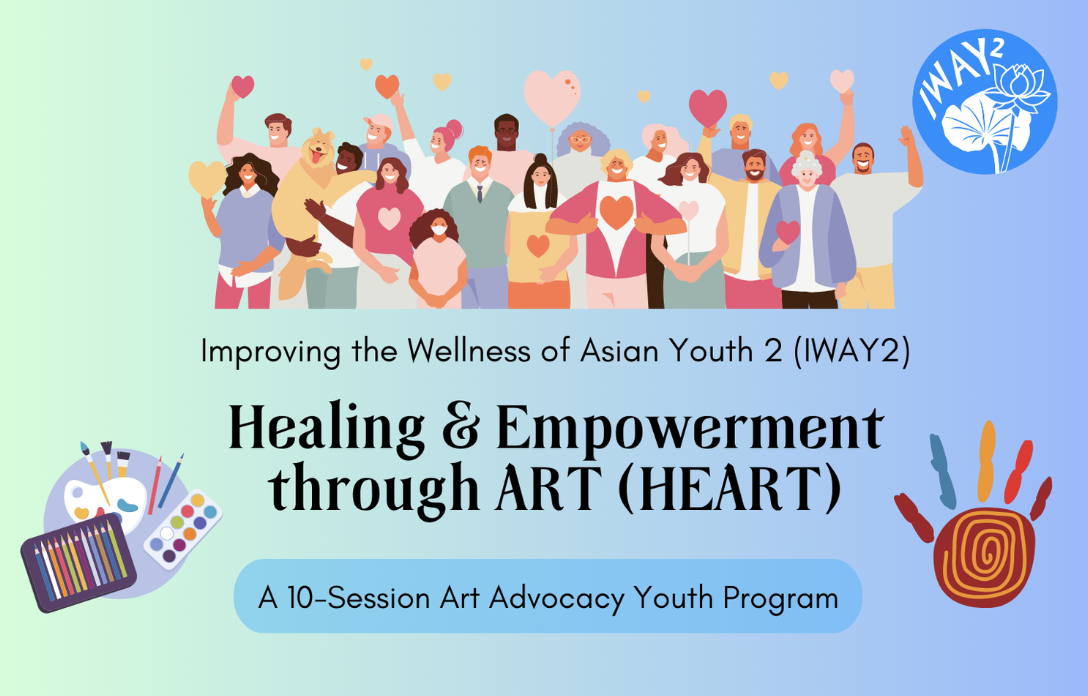
During the access period on Thursday, Dec. 4, the Healing and Empowerment through Art (HEART) program held its first meeting. From calming art-based activities to meaningful conversations, HEART offers a unique experience during Thursday Access periods. Students will learn about emotional wellness and cultural identity.
“The program is really meant to facilitate a lot of conversations around the culture of emotional wellness and what stress looks like, and the intention behind it is that by participating in a group, it will really help students’ mental well-being and their emotional well-being,” said wellness counselor Jennifer Yu.
Power of art
Art can be a very powerful tool for understanding and facilitating emotions that are hard to express. The Improving the Wellness of Asian Youth 2 (IWAY2) Project, funded by the Public Health Institute runs HEART. This program provides a unique take on art by connecting art with understanding as a tool to help the youth. The program has expanded across multiple PUSD schools in the last three years. It primarily serves the AAPI youth’s mental health needs nonetheless is welcomes a diverse range of students.
“One of the major goals for our program is connecting youth with other resources and mainly counseling or therapy because through the small amount of research that has been shown, there’s a lot of stigma surrounding therapy for Asian groups,” said IWAY health educator Junghee Sohn.
The participants
The HEART program will be accepting students interested in learning to improve their mental health until the second session. After, the instructors will hold an interview before their first meeting for member introductions evaluate their commitments to the program.
“A problem we see throughout all of the schools is the retention rate of students because it is during access period and many students need to use the access period for other activities. So, we try our best to accommodate and meet the student schedules, but there is so much that we can and can’t do,” said IWAY health educator Sally Luu.
Off to great start
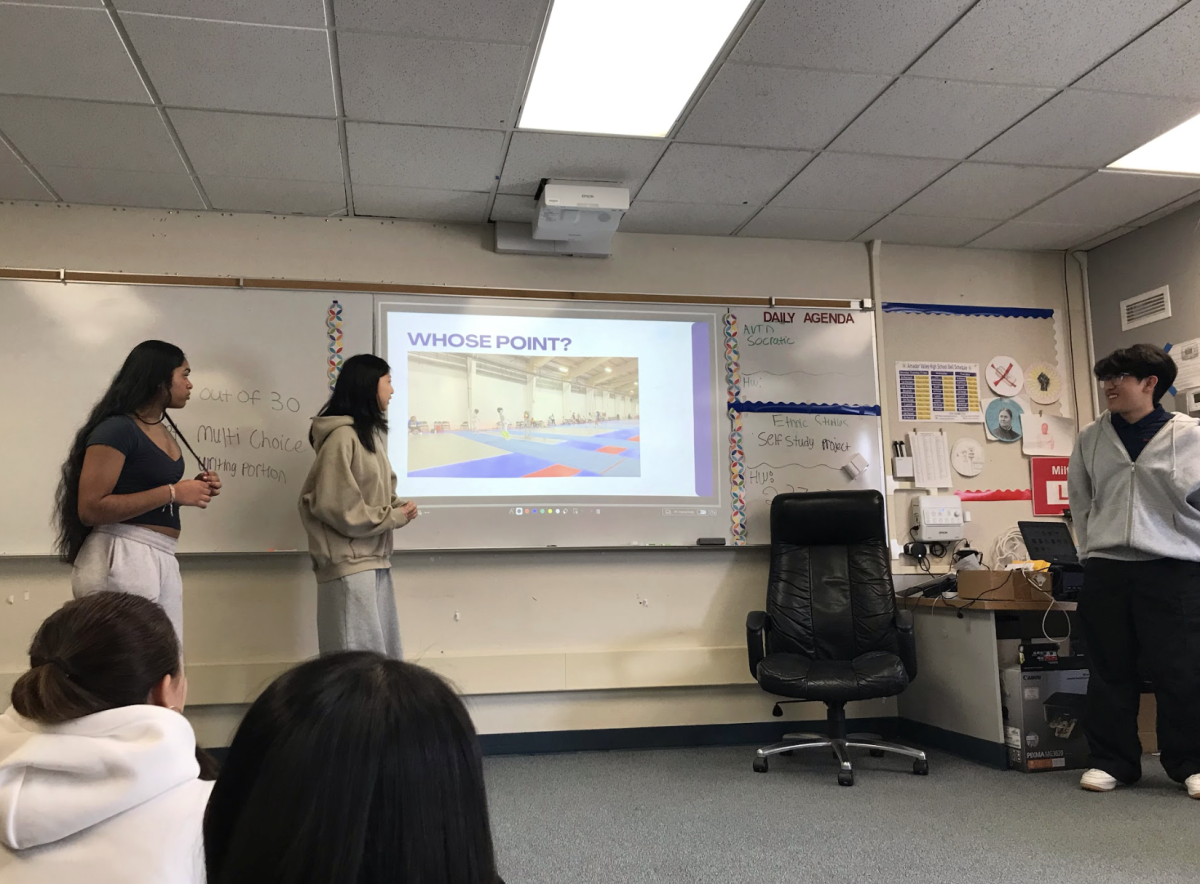
During their first meeting on Dec. 4, students enjoyed a wide range of activities: oil pastels, chalk pastels, and color pencil markers. These activities allowed students to relax their minds from the stress of school and other extracurricular activities. Additionally, students participated in a group activity sharing their cultural identities and personal challenges to form stronger connections between members.
“We try to create a group experience where by the end they’re going to feel like they made new friends and that they have people they can count on, whether it’s the health educators or people they’ve met,” said IWAY health educator Junghee Sohn.
While HEART encourages all students to join the program, the AAPI community is their primary focus. They hope that by promoting conversations about mental health for Asian students, they will feel more comfortable about these topics.
“Historically, representation of the AAPI populations in clinical research funding is a very small amount, which is very heartbreaking. Although we’re not as large as some other racial minorities, I would say that HEART is special because we are at the forefront of pioneering Asian American Native Hawaiian Pacific Islander mental health,” said Sohn.