
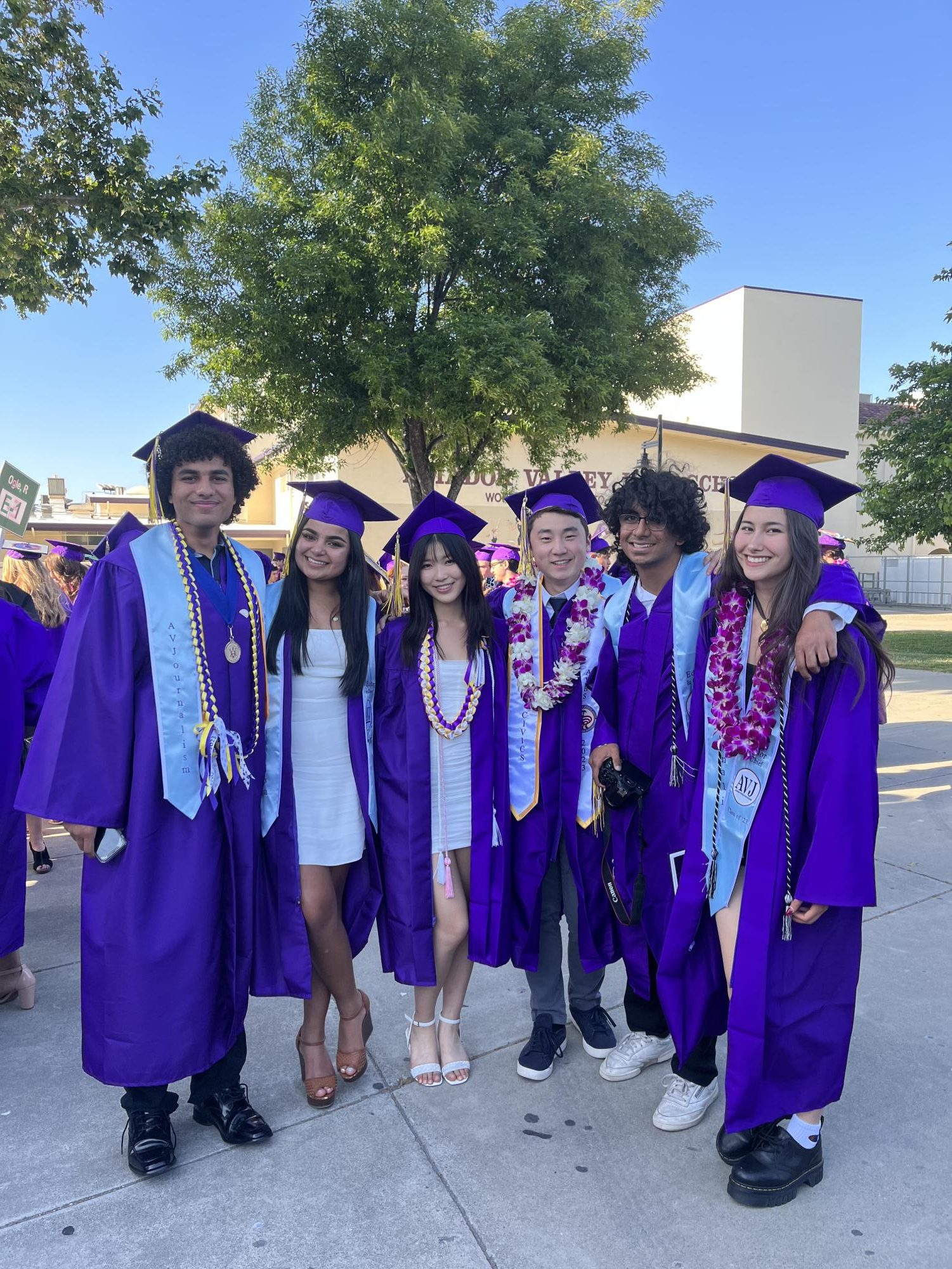


In a competitive academic environment populated to no end by AP classes and club presidents, it’s easy to feel like a 1550 SAT and 4.0 grade-point average will secure success outside Amador’s walls. However, the question remains: are Amador students ready for real life?
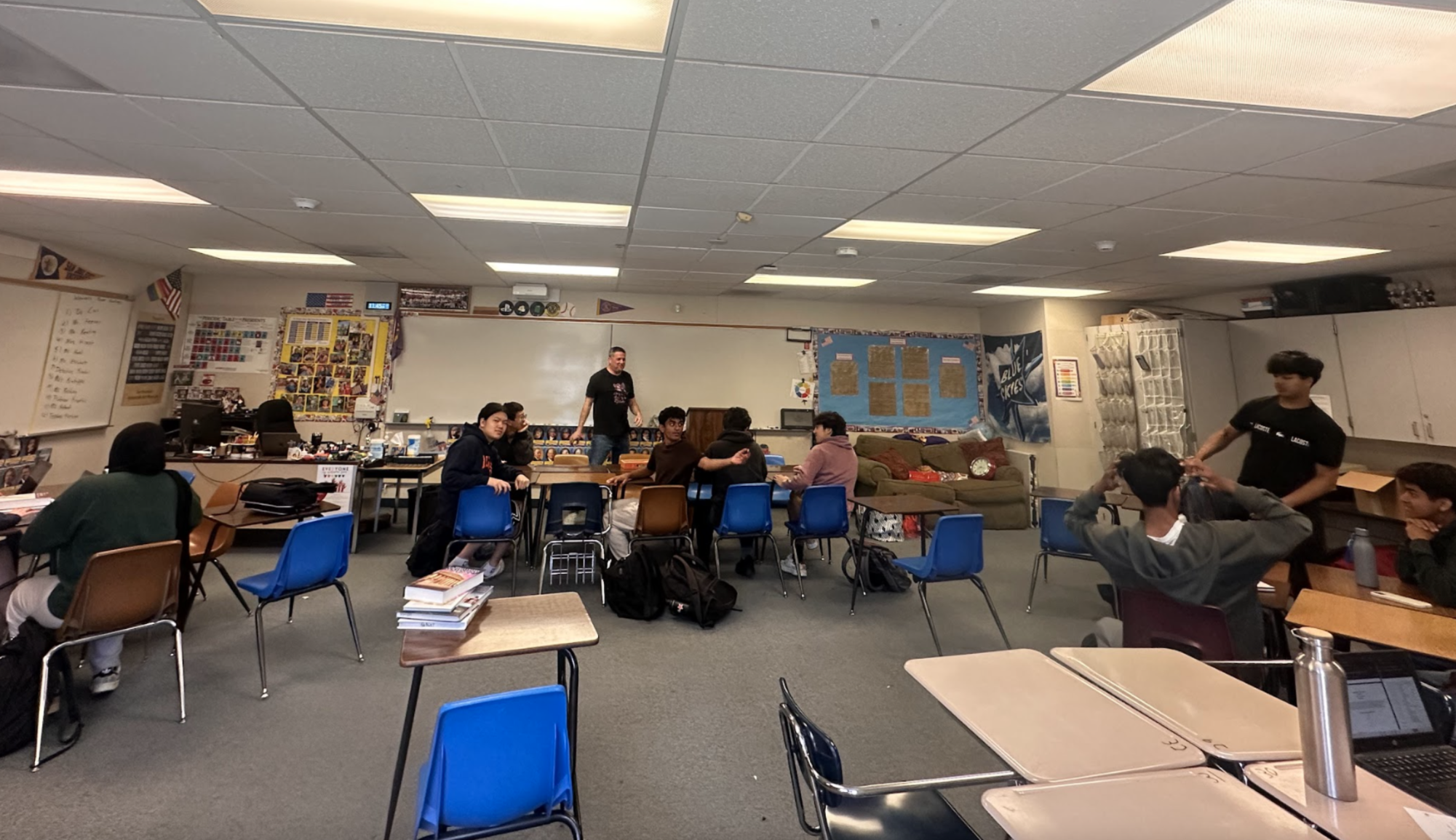
“Since COVID, student proactiveness and ability to interact one-on-one with people has dramatically declined, and I feel like students need more engagement with adults, since they’ll have to deal with employers,” economics teacher Bee Benson said.
Some say no–teachers and students alike agree that campus curricula leave certain life readiness skills to be desired. AVJ reporters reached out to club officers, Amador staff, and economics students across different prospective majors to gather more opinions on how well Amador equips students with financial and life literacy skills.
PUSD students are exceeding national and statewide reading and writing benchmarks, according to CAASP data. Yet, we found AP Macro students on campus who couldn’t tell us the difference between credit and debit. In recent years, more and more AV teachers have raised concerns over the “skills gap” that students have when they graduate– in other words, the gap between what students know and learn through school compared to the skills they need to be prepared for life as an adult.
“[Soft skills] sound small, but they’re the things that make adults want to hire you, mentor you, and trust you with more responsibility. A lot of students are genuinely out of practice with them, unfortunately.” said AP Human Geography teacher Jennifer Zuanich.
This encompasses financial skills– like how to file taxes and write checks– as well as everyday skills, like how to cook and hold conversations.
Even at a statewide level, California is doing more to address some of these skills in public school education systems. For instance, Governor Newsom recently signed an executive order that expanded financial literacy programs in high schools. Starting for the 2027-2028 school year, all California schools must offer a one-semester course covering basic financial skills, including budgeting, banking, investing, and credit management. This class will become a graduation requirement starting with the class of 2034.
As the race to get into college continues to get more competitive, students might be losing sight of what’s really important for success– not the backbreaking workload, but experience out in the real world.
With the new executive order mandating a standalone financial literacy course across California schools, AV students and staff remain somewhat divided over how much students know.
“I think AP Macroeconomics is effective, as far as covering financial basics. It’s really helped me understand government actions and why the federal bank does what it does, as well as taught me to analyze why the economy is moving the way it is,” Shreeya Baghel (‘26) said.
Other PUSD staff, however, noticed certain basic financial skills that schools simply don’t cover.
“There’s no class at Amador that really covers topics like how to manage money and write checks. I [recently] received a check from a student, it was cute but all wrong… they had signed the back! As this sort of hyperfixation on academics has happened, we as staff have long talked about the need for a life skills class. Students need to know how to take a bus. They need to know how to get a bus pass or a Clipper card now. They need to know how to write a check. They need to know how to address an envelope. It’s not at all uncommon to see AP students at this age who do not know how to address an envelope. It’s concerning, but also not really, because if schools aren’t teaching it, how are students supposed to learn it?” said PUSD Director of Educational Options and former AV chemistry teacher Heather Pereira.
Whether finance-related or everyday-related, there’s no doubt that students will need more than perfect grades to be truly prepared for independent living. This “skills gap” can be addressed if students pursue more creative projects, in-person jobs, and even strategic extracurriculars outside of school. Travis Glenn (‘27), for instance, helps lead Mr. Amador, a schoolwide nonprofit that raises money for George Mark Children’s House.
“When people get involved in the program, they learn more about the monetary system and aspects of basic things that you need to know in life that schools don’t necessarily provide. On the fundraising committee, we learn when money can contribute to Mr. Amador’s funds and when it can only go to the charity. In general, it needs a lot of face-to-face interactions, and that prepares you for the real world,” Glenn said.
Ultimately, building soft skills and financial literacy inside and outside the classroom can help boost student confidence and improve their life readiness on both career and personal fronts.
Even something as simple as holding more class discussions over assignments or taking a short break from the syllabus to discuss filing taxes can be the difference needed to encourage student success beyond the classroom.
“In these competitive environments, I think they forget that there are so many other roads to success. I think understanding what other skills we need to be focused on would really help long-term,” said Baghel.
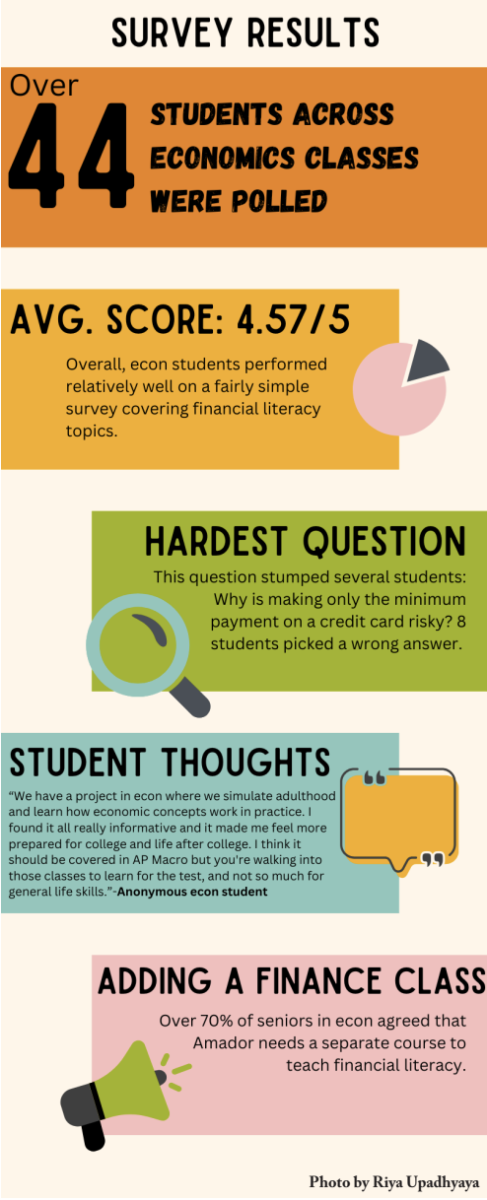
To assess Amador Valley’s financial literacy, AP Macroeconomics students were given a
finacial literacy survey. While Econ students are taught financial literacy as part of the curriculum, the AP curriculum does not include essential finacial literacy skills needed to succeed in the real world.
“Around 1999-2000, upperclassmen had to take a class that was one quarter of health and one quarter of life skills, including basic finacial literacy. Now, we try to cover some of those topics in econ as best we can,” AP Macroeconomics teacher Samuel Weaver said.
AP teachers now include a quick week long finacial literacy unit, taught the week after AP testing concludes. The survey was administered before the curriculum was taught, to measure student understanding of key concepts prior to the unit.
It’s not just teachers who are pushing for a larger emphasis on life literacy skills for teens. Through the Youth Literacy Foundation, president and chapter founder Naomi Song (‘27) is working to raise financial awareness for K-12 students across PUSD.
“I feel like starting to learn financial skills at a young age is the most important thing you could do, because it makes sure you know the fundamentals early on. [These skills] might be harder to pick up as you go into high school or adult life,” Song said.
YouthLit educates kids on basic financial skills, including taxes, investments, and the difference between credit and debit. Since its founding last summer, the club has organized several workshops and outreach programs to maximize local impact. For instance, YouthLit recently organized a Financial Leaders Summer Bootcamp, assisting over 10 active members in improving their financial literacy.
“We’re really proud of our impact through our youth education series on Instagram. It’s reached a lot of different people, and hopefully, it has helped them learn small concepts and gain some knowledge every single week,” vice president Melody Wang (FHS ‘27) said.
-
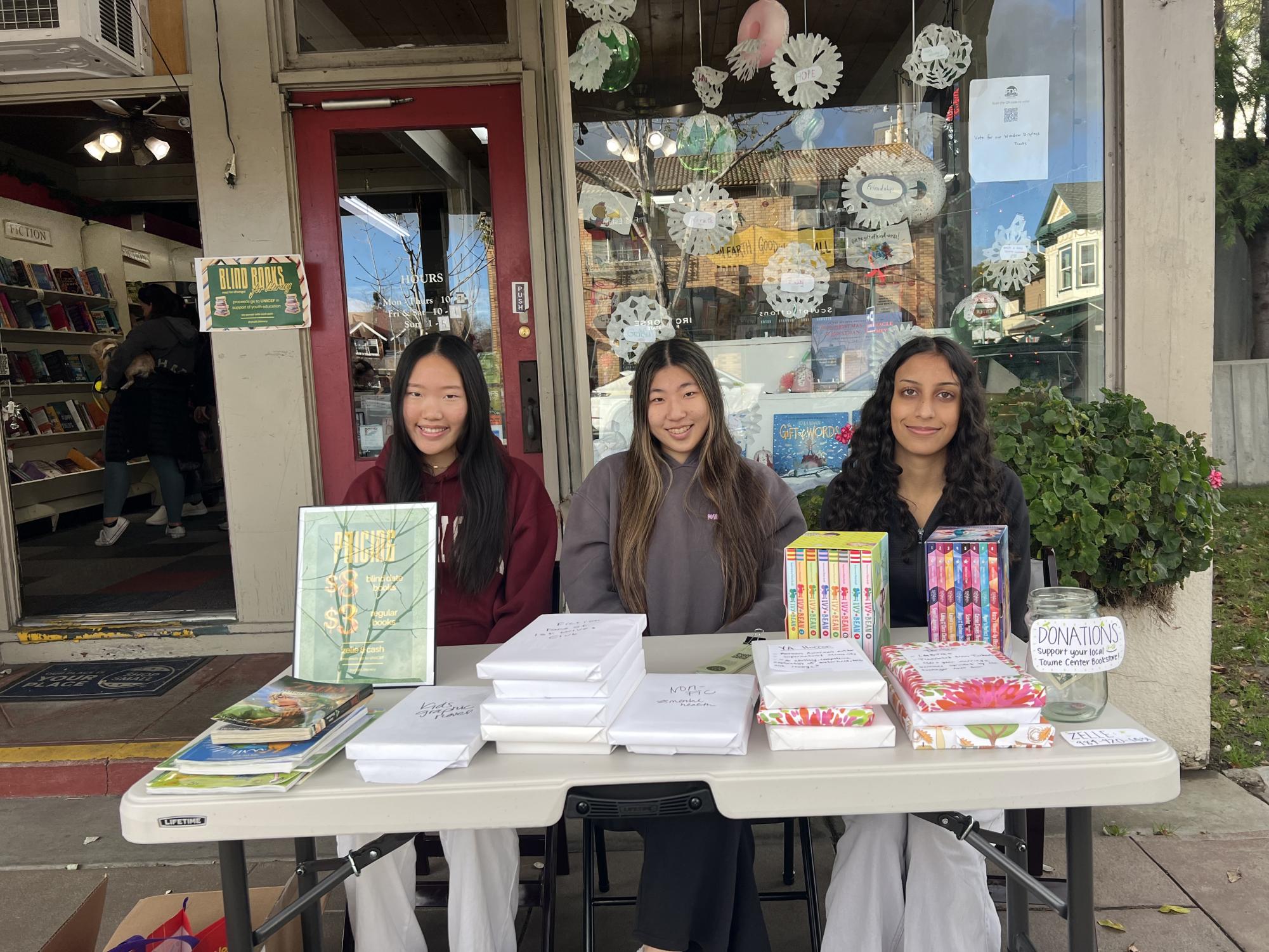
The YouthLit officers set up shop at Town Center Books for their Blind Books for Literacy fundraiser in January.
-
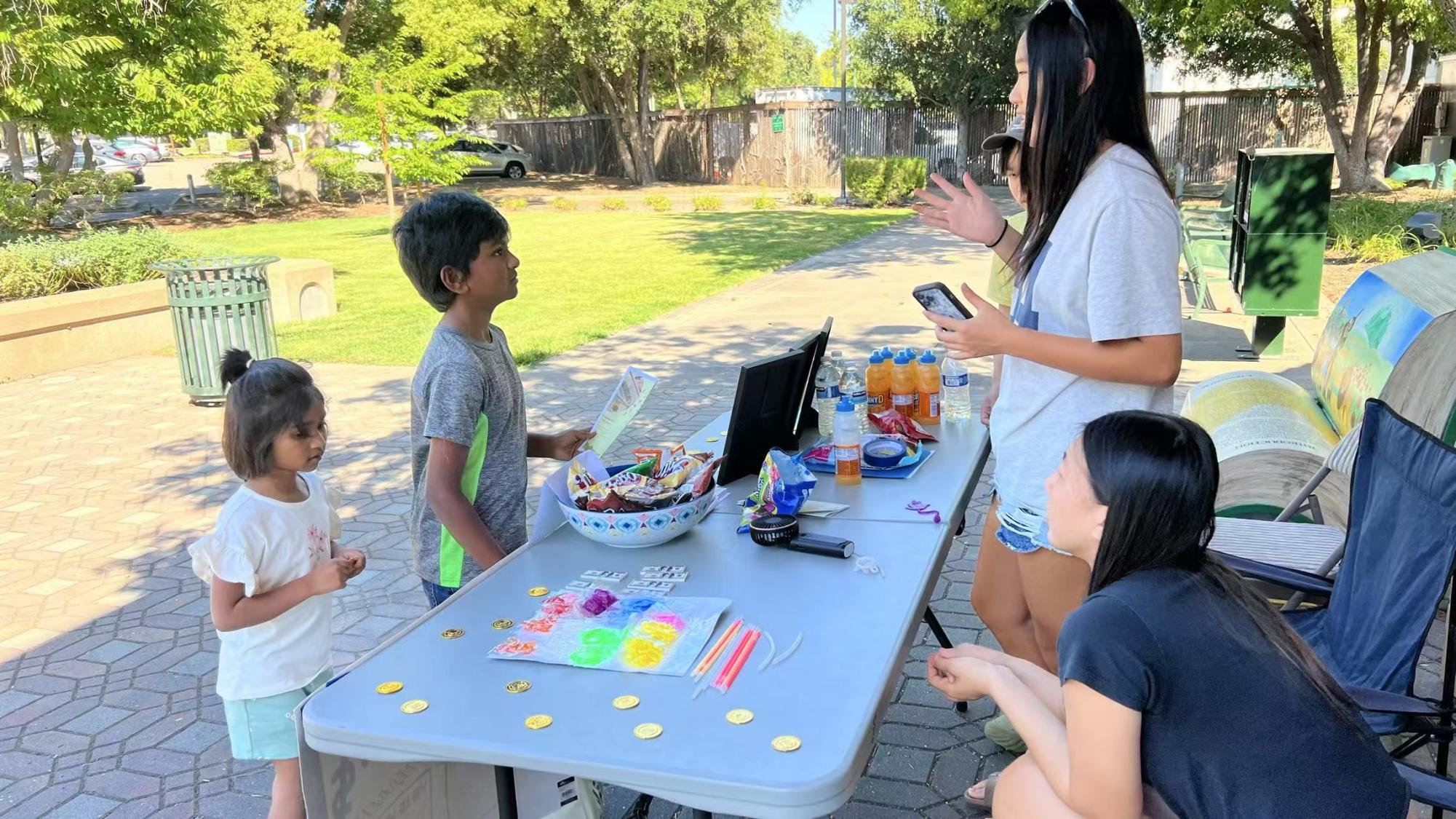
Youth Literacy officers Naomi Song (‘27) and Melody Wang (FHS ‘27) spread financial literacy to kids at a club outreach event at the Pleasanton Library.
Club outreach efforts happen on more than just digital platforms, however. Volunteers for the foundation’s “Letters for Literacy” program, for instance, write letters to elementary school students, teaching them basic money management and goal-setting skills.
“It’s very empowering to see how passionate and engaged the community is about spreading financial and life literacy in this area. At our events, a lot of people seem really interested in learning, and we’ve been able to give out brochures to kids and families around the community,” Song said.
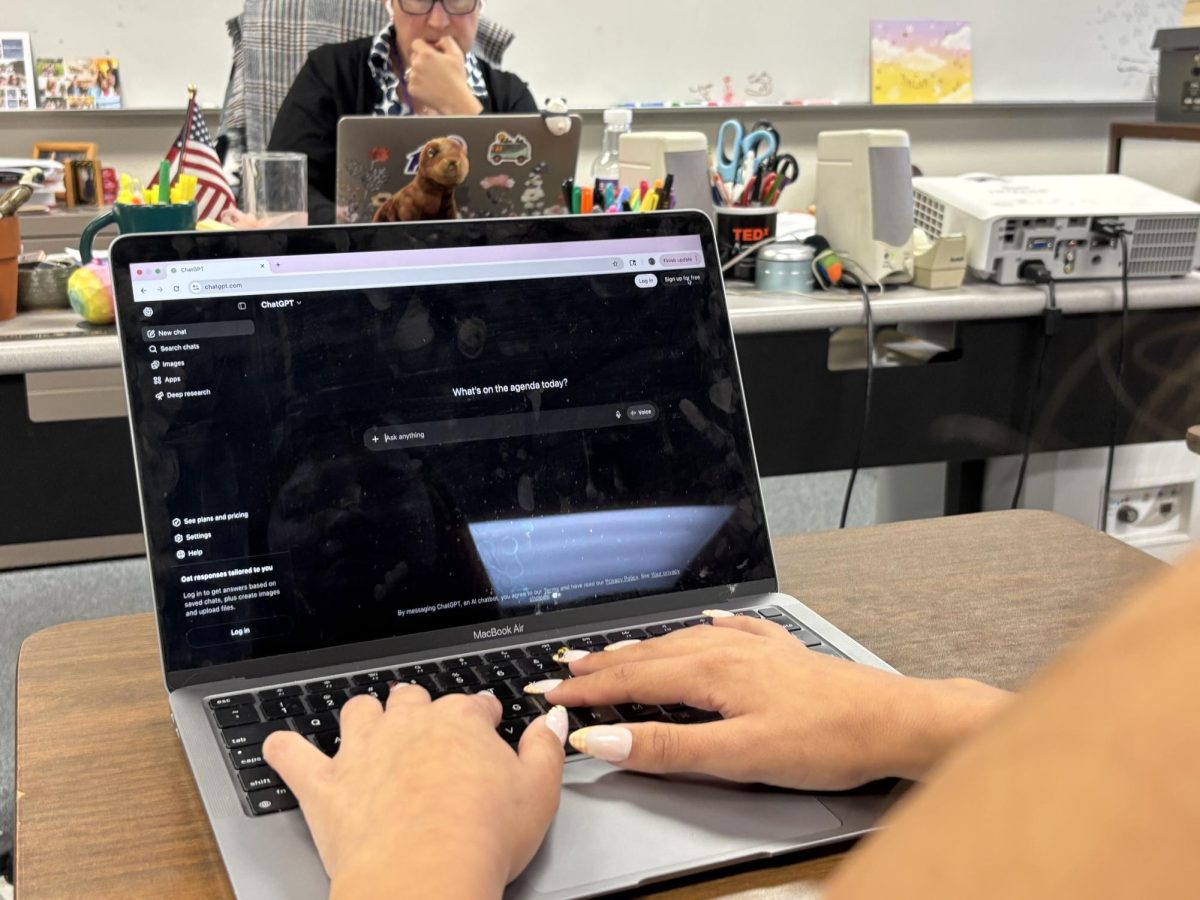
For decades, technology-related majors and jobs have been considered the high-pay and low-risk choice. With AI on the rise, however, that description might not fit quite the same.
PUSD Director of Educational Operations and former AV chemistry teacher Heather Pereira expanded on how AI will influence the future for both teachers and students.
“I think the challenge is that there’s a natural tendency for students to see it as a corner-cutting device, a way to circumvent learning, rather than a way to enhance their own learning. How do we get to a space as a learning institution and as a society of that balance? Of course, teachers want you to get out and be employable when you join the workforce. We also want you to be AI-proof, because, regardless of the industry, future jobs will need people who are skilled at critical thinking,” Pereira said.
Only 53% of teachers feel comfortable teaching students how to use AI responsibly, according to a study by Youngstown State University. Consequently, it’s understandable that students are more often reported to use AI as a tool for plagiarism and cheating rather than for learning and growth. AI has already begun replacing humans in fields across the board– beginner positions in everything from coding to graphic design and even journalism are being affected. However, there are limits to what it can replace, as AP Human Geography and World History teacher Jennifer Zuanich pointed out.
“AI is already reshaping a lot of white-collar entry-level work, and what it’s not coming for is the plumber, the electrician, the welder, [or] the HVAC tech. These are well-paying, stable, you-can-raise-a-family careers, and a lot of our students have never been told that’s a legitimate and respected option. If we’re serious about life readiness, we owe them that exposure too,” Zuanich said.
However, there might still be a place for humans in white-collar jobs, given they have the right abilities and attitude. Anthropic cofounders Daniela Amodei and Jack Clark have both emphasized the humanities’ continued importance in the AI era.
“That’s a striking thing to hear from people building this technology, and as a social studies teacher I obviously find it encouraging. It tells me that curiosity, critical thinking, and the ability to communicate clearly aren’t going out of style. So my pitch to students is that content knowledge and humanities skills matter more, not less,” Zuanich said.
Your donation will support the student journalists in the AVJournalism program. Your contribution will allow us to purchase equipment and cover our annual website hosting costs.