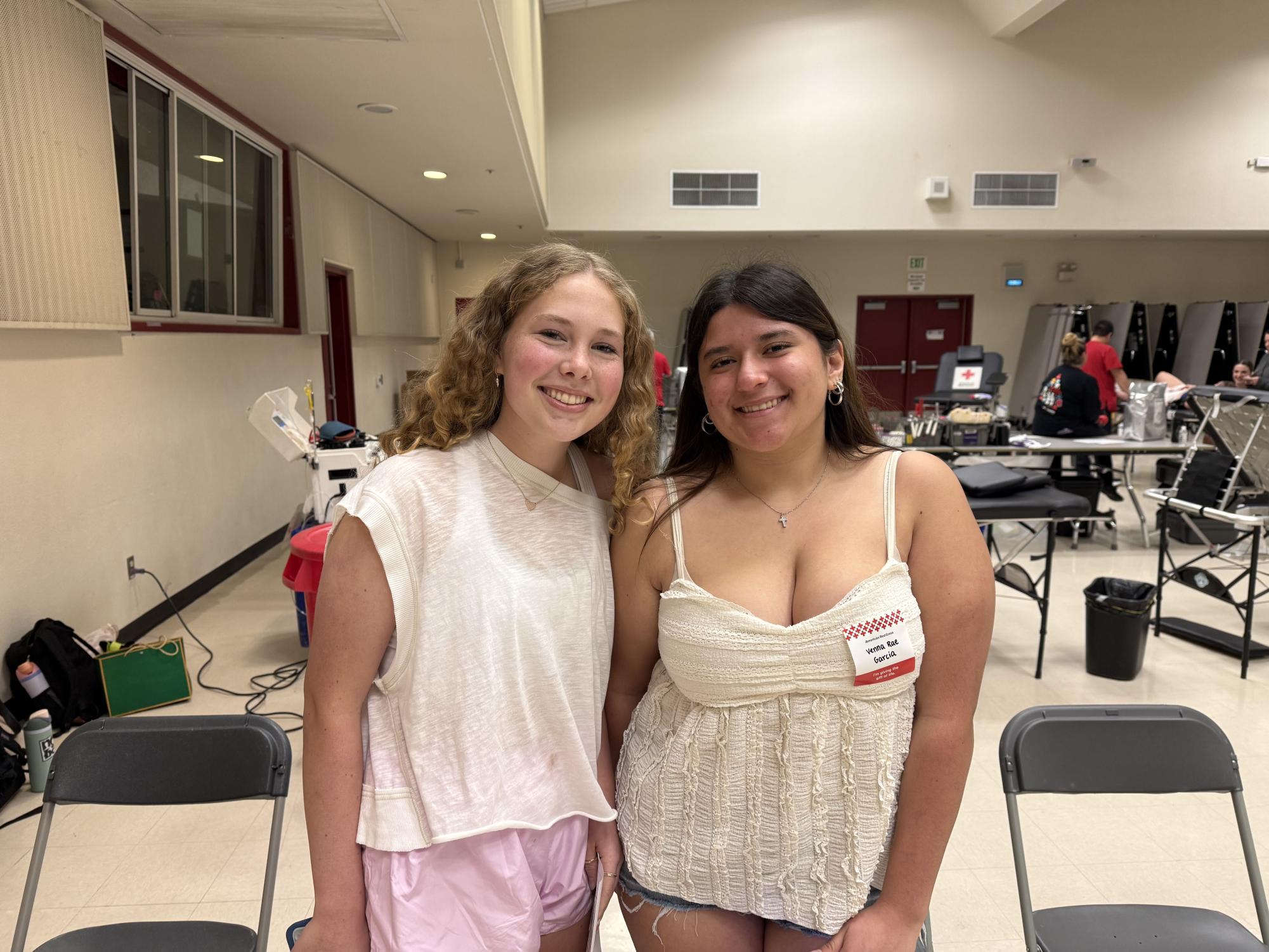
On March 12, students and volunteers at Amador Valley High School hosted the spring blood drive. They partnered with the American Red Cross to help address ongoing blood shortages and support people in need.
Importance of the Blood Drive
Blood donations in the U.S. have dropped 40% over the past two decades, while only 3% of Americans donate despite a transfusion being needed every two seconds—making blood drives more essential than ever.
“I think for a lot of people, even though they’re nervous, the idea that they’re able to save so many lives with their blood and have an impact on others overrides how nervous people are and makes them feel a lot better knowing that they’re doing something good,” said president of Amador Valley’s Red Cross club Zara Nesar (‘26).
High school blood drives are crucial for the US blood supply, contributing up to 20% of donations during the academic year.
“I think it’s important to have the knowledge of what it means to donate blood at your age. A lot of our longtime donors start from high schools. So without that knowledge at a young age, the need for blood, I feel like we wouldn’t have as much blood as we do now,” said Red Cross worker Robert Gutierrec.
Preparation
Planning the blood drive required months of coordination between student organizers and the Red Cross.
“To set up the blood drive, it started off with reaching out to the Red Cross staff and putting in an inquiry about setting up a blood drive at our school. From there, it was a monthly-long process; it was around 3-4 months. Then we did training and meetings with people who talked to us about what the blood drive was like and what kind of things we would need to run it at our school. And once it got closer to the blood drive, we began really pushing for people at our school, and also this year outside of our school because adults are allowed to donate this year, to sign up,” said Nesar.
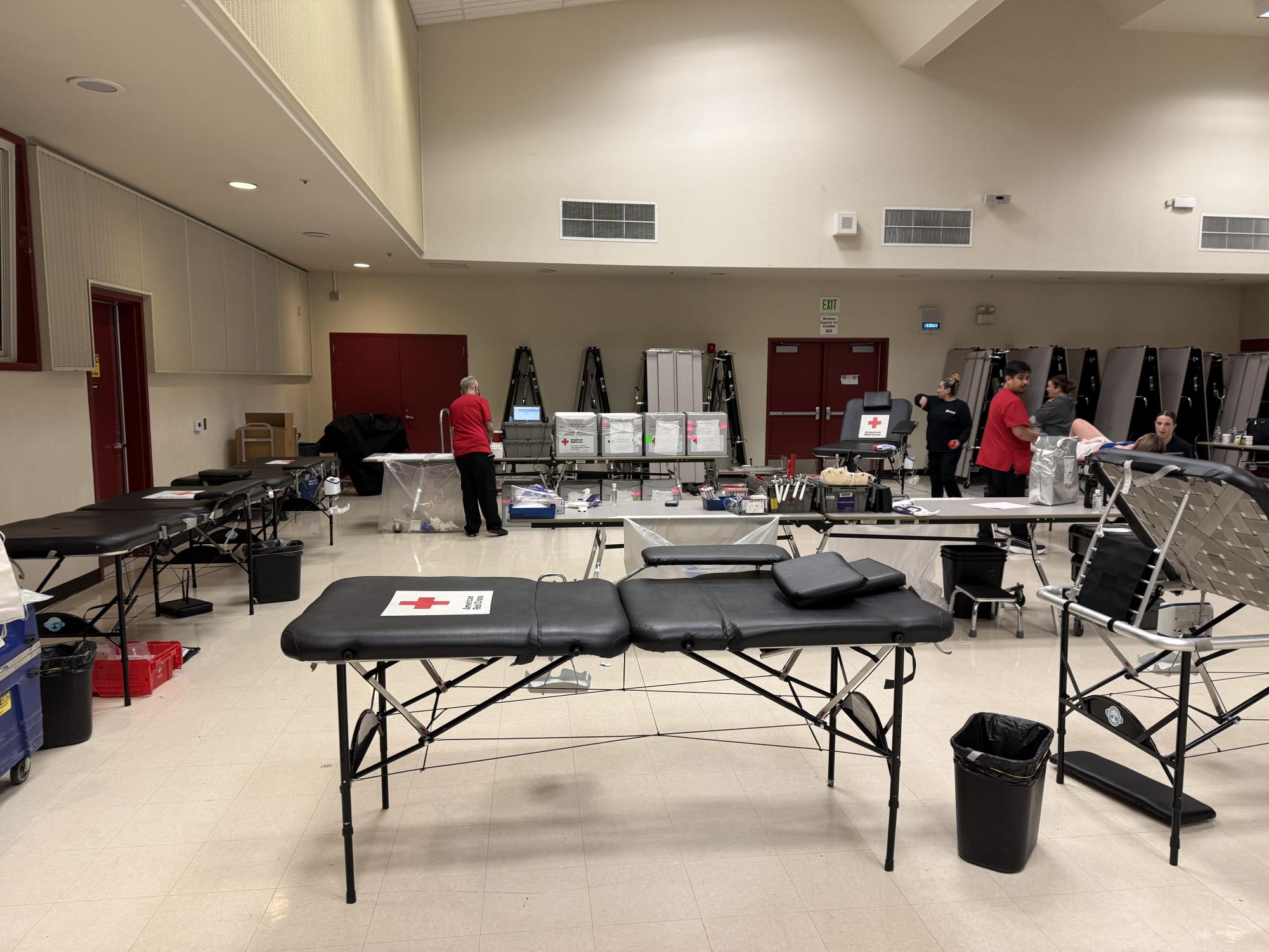
Red Cross staff members also coordinated the physical setup of the event once they arrived on campus.
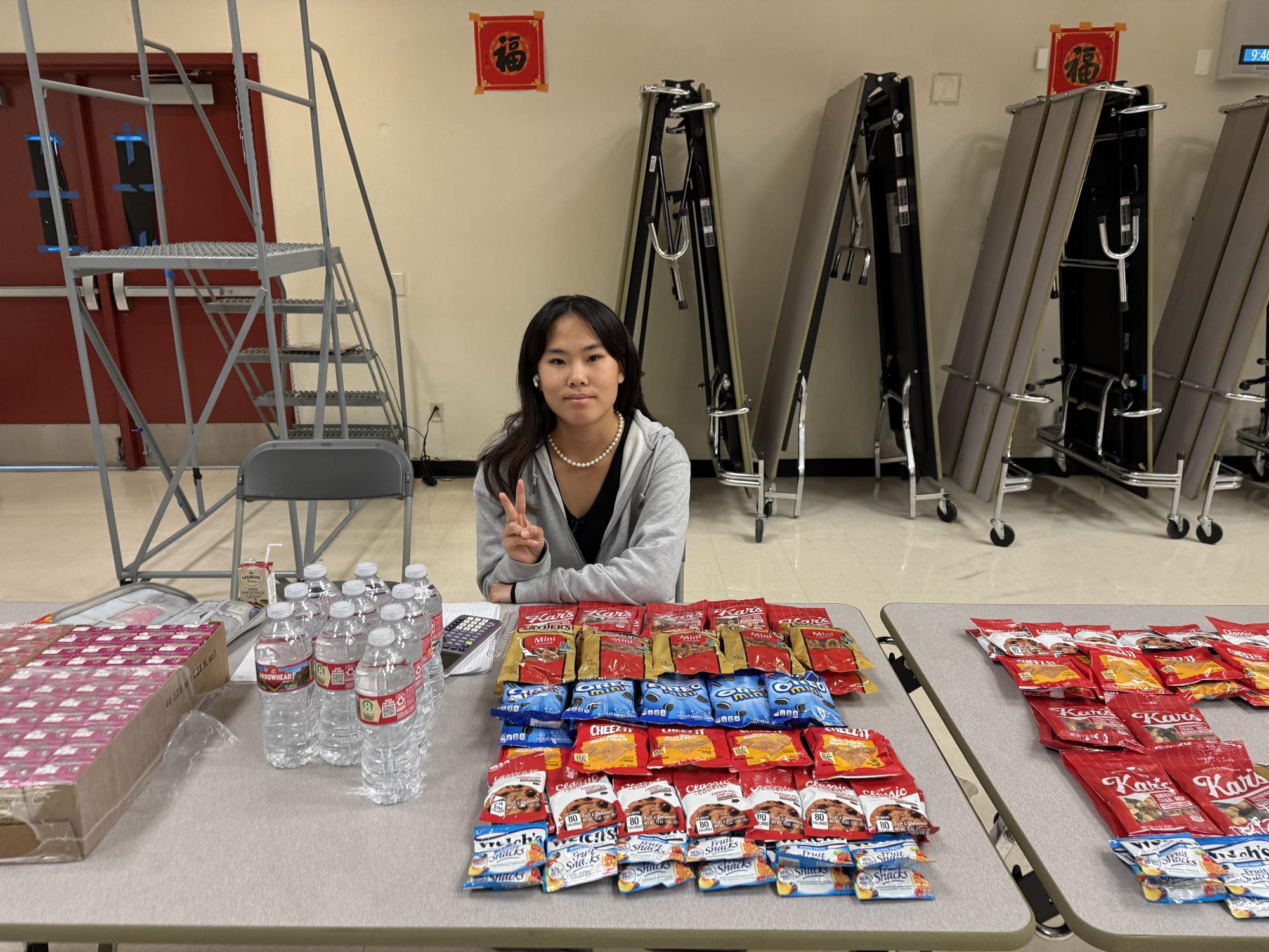
“We [set up by] having our account managers look at the location. And then they take a look at the room, figure out how many beds we could put up and stuff like that. Once we come here, the technician sets up the rooms, or donor beds, and then [sets up the] snack area,” said Gutierrec.
Emotions and Misconceptions
For many students, donating blood can feel intimidating at first, but participants say the process is often easier than people expect.
“I think some misconceptions are that it hurts or that you will faint. I think [the process] is casual and pretty easy,” said blood donor Olivia Yeung (‘27).
The blood drive is more than just about saving lives; it also brings people together in a positive way.
“I think my favorite part about this is just seeing the entire community coming together and seeing how much people care for the stuff that the Red Cross does, and also just making sure that people in need get the blood that they need. And I think it’s just super cool to have an event like this that directly works with the community and is directly helping other people,” said Nesar.