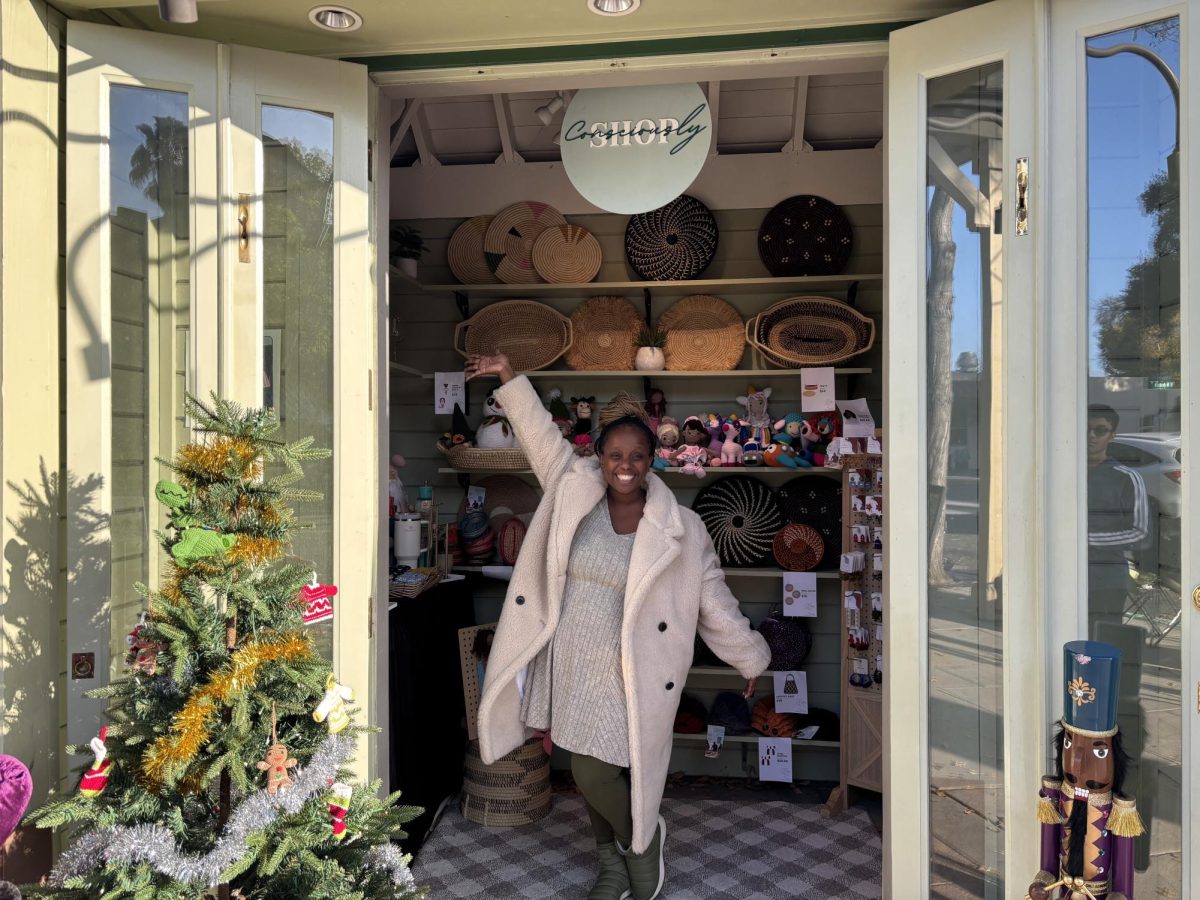
Pop-up store Shop Consciously is celebrating its first anniversary in the Pleasanton community. By selling handmade gifts and accessories made by African women artisans, it has been providing them with the means to change their lives.
“Shop Consciously is a social enterprise. We help African women artisans basically sell their stuff here in the US. We basically help them have a livelihood through selling their stuff here. And we have handmade accessories, home goods, and other giftable items,” said Shop Consciously founder Mpho Hansje.
Art Making a Difference
By bringing art created by African women into Pleasanton, Shop Consciously has been able to give community members a diverse range of handcrafted items. But the store also presents an opportunity to make a difference, even in small ways.
“My favorite part… [of the store is] the women who make the stuff, and I know them personally. When I see how their lives are changed by just someone who’s bought their stuff. There was a little girl who just picked the pink unicorn, and the woman who makes that, she lives in Uganda, she has four kids, and that one unicorn purchase changes her family’s life,” said Hansje.
The cycle of purchasing and giving repeats whenever a customer buys a product from Shop Consciously, helping the 60+ artisans who produce the store’s inventory. Knowing that they are making a difference, customers are drawn to Shop Consciously and other feel-good stores.
“Right now, brands are realizing it’s important to shift to not just having stuff, but having things that have more than just that… some of our goods are sustainable. So like, [our] bags are made from recycled glass and plastic. There’s a lot of people that care about waste in the world and fast fashion, so brands are realizing, ‘Well, it’s important for us to meet the customers in the things that matter to them,’” said Hansje.
A Sense of Belonging
The store attracts customers of all backgrounds to appreciate the importance of donating to those in need. It’s a place where both the customers and artisans feel represented in the community.
“It’s just important for, especially, marginalized groups to see themselves in the community in which they live. The seeing that makes them feel a sense of belonging, and they tend to thrive in their communities once they see it’s part of them as well,” said AVHS African American Literature teacher Darren Pagtakhan.
Surely, the store is a source of inspiration for the African community in Africa. But it is also a source of inspiration for the Pleasanton community and its ethnic groups that have been historically marginalized.
“[The store] gives the whole community an economic base that’s stronger. But it also becomes influential for future people in that community to realize that that’s something that’s achievable for them because they’ve seen it happen in their own community…. If you can see someone like you taking on those roles, whether it’s being president or a movie actor or… a store owner… then you, as someone from that group, can then envision yourself in that role,” said AVHS Ethnic Studies teacher Matthew Willett.