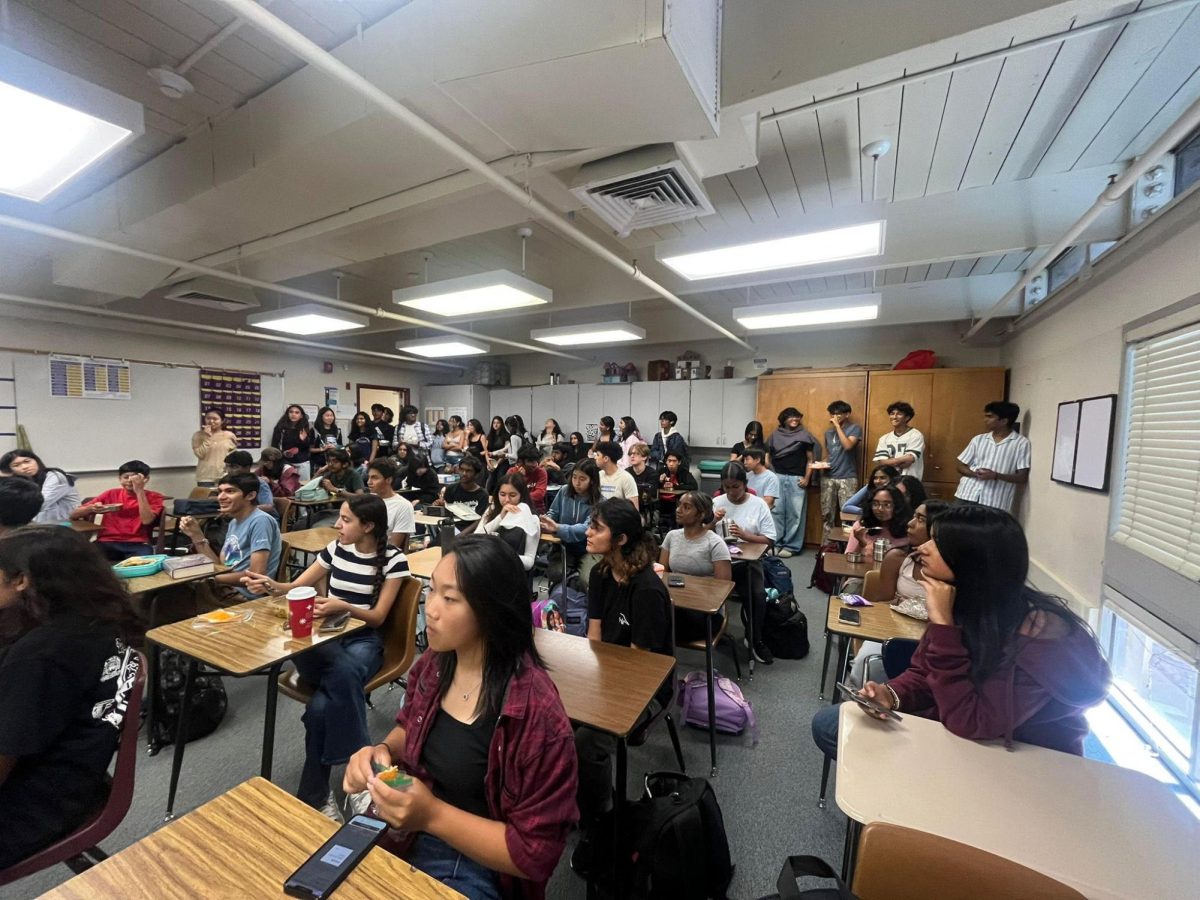
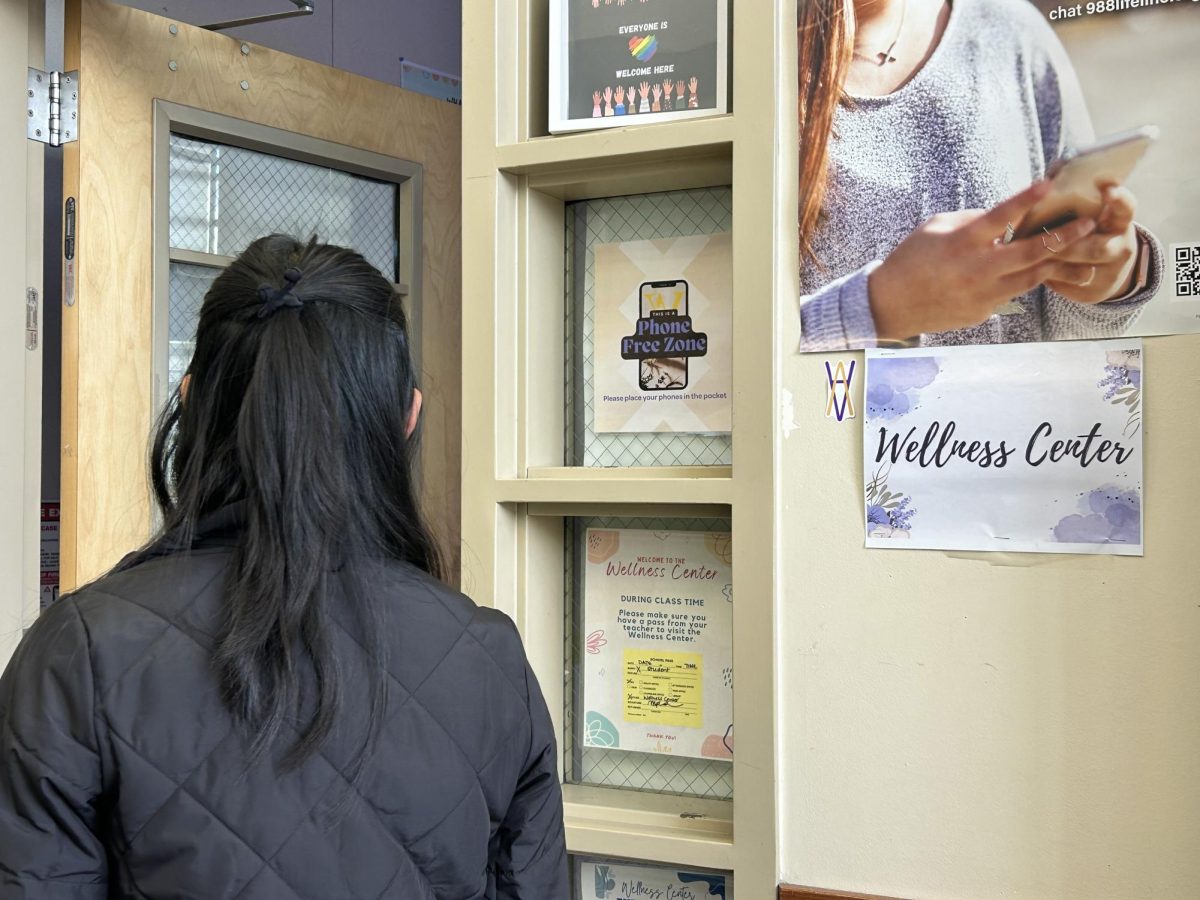
Every day, millions of teens in America come to school with the purpose of gaining an education. But being a teenager has never been easy, and as we enter 2026, it poses the question of whether or not teens’ health is on the decline due to the challenges they face on a daily basis. While these challenges may look different for every student, many teachers have noticed a shift in teens’ mental health in recent years.
“I think anxiety is on the rise [with] COVID-19, like teaching [students] how to cope with certain things. Sometimes I think that maybe with the online learning, they were kind of left, everything was excused and it allowed them to rely on those accommodations and so they didn’t grow to the extent where maybe they could have,” said Health teacher Jaimi Turner.
The Weight of Expectations
The pressures of adolescence today come in a variety of forms. In this post pandemic world, there is a growing demand for students to adapt and excel beyond just school and social life. They juggle school pressures all while learning how to handle complex emotions. Studies have shown that, as a result of these concerns, students’ personal lifestyles in sleep, eating habits, and technology use have seen increased, negative effects.
“I do really feel like the workload that some of the kids are carrying is just too much and that’s not good for your health. I think it stretches you too far. It doesn’t allow you to have a balanced life and I think kids can be too concerned with getting as many APs they have and how high they can get their GPA instead of prioritizing more balance of having time for some fun, being involved in activities on campus and having just a good teenage life,” said AVHS Health Counselor Pamela Lucero.
When it comes to prioritizing health, sleep is an essential part of functioning. Without it, the human body isn’t physically capable of sustaining itself. Today, many students face struggles with getting sufficient sleep on the day to day.
“I see a lot of people running on low energy and barely sleeping. Stress and feeling burnt out are probably the biggest things everyone deals with. When people are overloaded, they skip meals, eat whatever’s fastest, and rely on caffeine or sugar to stay awake. That kind of cycle makes stress feel even worse, creates mood swings, and makes it harder to focus,” said Mia Mehta (‘26), Chair of the PUSD Nutrition Committee.
Fueling Growing Minds
Aside from sleep, the things people put in their bodies matter as well. The diet and the foods people choose to eat impact nutrition and health, especially for teens who are still actively growing. During this crucial developmental stage, it is important for teens to get enough vitamins, minerals, and fibers from diverse meals.
“For myself, it was a really big deal that my kids brought a good lunch to school. That is something I feel like kids are flying by the seat of their pants and that they’re not bringing the food that they need at school. I really, really worry that they’re not eating nutrient dense food and that it’s just a lot of snacky stuff that is empty calories and I think that has a huge impact on gut health and brain health,” said Lucero.
Impact of Technology
Today, students live in a modernized world that often requires technology for school work, but the effects that it has had on students are also very prevalent. It’s important to keep a balance between technology and being active.
“In a negative way, I think [social media and technology], comparison, always comparing yourself to others, is a thief of joy, right? So always comparing yourself, seeing maybe what you’re missing out on, or body image issues and self esteem issues. Positively, it does keep them socially connected, which can be positive. It’s a way to communicate, it’s a way to easily get information to a wide group of people but that has its drawbacks,” said Turner.
Steps Towards a Healthier Future
Because adolescent brains are still developing, many of these factors can have a deep effect on the youth and their health. However, by balancing sleep, eating, and tech habits, we can work towards a future with healthier and happier teens.
“They’ve gotten better, but there’s still room to grow. Our district’s Student Inter-Action Council (SIAC) is actually working with Child Nutrition Services to add healthier options to the breakfast and lunch menus. In a couple weeks, teachers are going to hand out a form for students to give feedback on school meals, and filling that out really helps because it tells Child Nutrition Services what to keep and what to change” said Mehta (‘26).