
“I’ll wake up at two o’clock in the morning, just to see if I got a text from my niece in Iran. But there’s no promise of hearing from her. Sometimes, I’ll zoom in on videos of bombings, posted onto Twitter, just to see if their home has been hit,” said AZ, an AVHS parent whose remaining family still lives in Iran.
This is the reality described by many Iranian migrants, who are forced to watch the external and internal warfare of their country, without a way to force. Since then, Internet systems have been shut down, limiting the information that goes into the country, as well as the information going out.
“In the early days of the protests, I wouldn’t be able to get any news from my family. After days of not being in contact, I felt so lost. I remember hardly being able to drive home from work because I was crying at every intersection!” said AZ, “Then, all of a sudden, my niece would call, and it felt like I could finally breathe again.”
Still, phone calls aren’t cheap, nor are they accessible. For even a chance of reaching out to family and friends, Iranians must search and pay up to half of their salary, risking arrest or worse by the government forces.
“Because the government has stopped internet services, Iranians have to find ways around it. Even for a gigabyte of VPN, my sister in Iran had to pay 9,000,000 toman,” said AZ.
These thirty-second phone calls, while brief, were enough to keep Iranian immigrants through the graphic videos and images plastered across their social media timelines. For many Iranian immigrants, who fled their country shortly after the 1979 Iranian Revolution, it is difficult to watch the violence occurring in their country.
“It’s a terrible feeling: waking up and the very first thing you do is check the news. Even when you find out that your relatives are safe, you carry the grief of seeing other people have been killed,” said AVHS parent NL, who left the country thirty years after the revolution.
Reason for the Revolts
For older Iranians, who experienced childhood both before and after, the change was impossible to fathom. Women were ordered to wearing hijabs, regardless of their faith, with even further restrictions (only dark colours in only one style).
“Throughout my adolescence, I was filled with stress. Even going to a party or a family —the fun things— would fill us with dread, because we were worried about a ‘law enforcement’ officer taking us into detention centers and punishing us,” said AVHS family member NG, who was sixteen when the revolution first began.
For older Iranians, especially those working in education or administrative roles, they were able to see the change from an internal perspective.
“When it came to teaching, the first year after the revolution was horrible. As teachers, we would try to help distract the students from the chaos, but it was hard,” said FL. “We tried not to change the curriculum too much, but our administrators would put spies into our classroom to make sure we didn’t discuss anything that went against their teachings,”
Regardless of an Iranians identity (which includes a variety of ethnic, gender, and religious minority,) many felt that the government did not act in their interest. Beyond that, many went as far to feeling that the government put the people in defense.
“The government had, in a sense, taken the people hostage by limiting their right to vote and their right to make decisions on their personal life, and for their personal choices,” said NL.
As a result of this internal turmoil, many Iranians have felt unable to confront their government internally.
“No reform has worked over the past forty-seven years. People have no option to pick their representatives, and personal freedom doesn’t exist. There’s absolutely no avenue for people to change their government.”
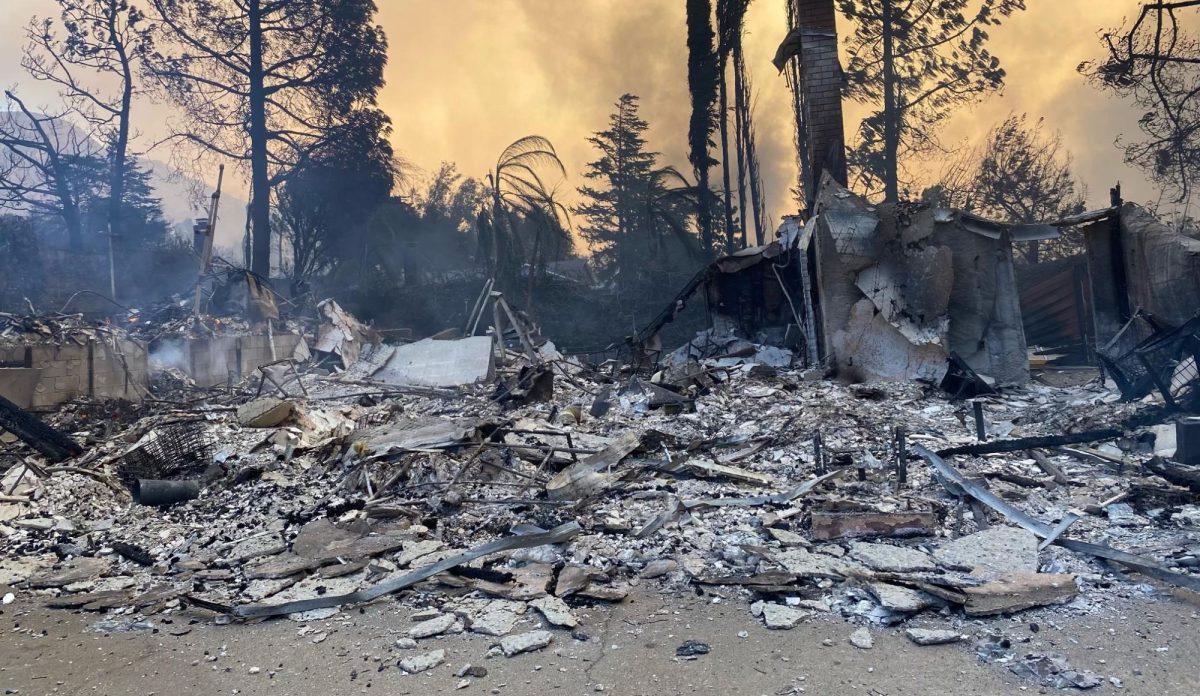
Thus, when airstrikes have stricken Iran, many Iranians have been left with a feeling of confusion: while happy by the death of a leader they consider an oppressor, many feel concerned over what foreign intervention means to a Middle Eastern country.
“While we can’t confront imperialism with military forces, we can overcome it by having stability in our country,” said NL “Do I feel good that our country is faced by imperialism? Absolutely not! But unfortunately, it’s our reality.”
While the outcome is uncertain, Iranians ask that people listen to the people, rather than the story of foreign and internal leaders who they feel misrepresent their story.
“If Americans want to learn about Iranian people, they have to read the stories of Iranian people—there’s no other way. Finding one, two words isn’t enough to cover the extent of what they’ve lived through after all of the murder, imprisonment, and abuse.” said FL.